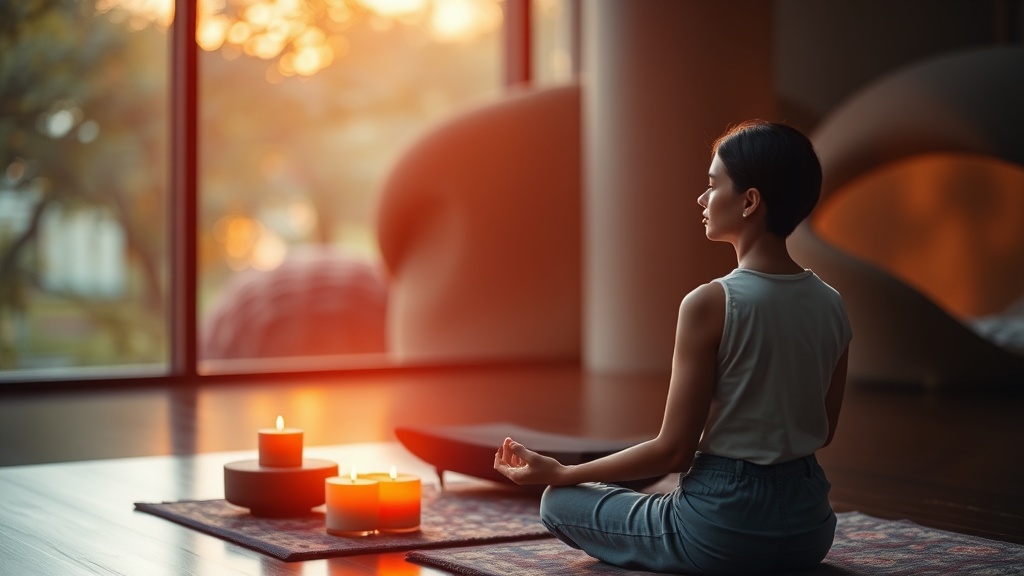
5 Morning Meditation Practices to Transform Your Daily Mindset

Breath Awareness Meditation
Body Scan for Grounding
Loving-Kindness (Metta) Practice
Intention Setting Visualization
Mindful Movement or Walking Meditation
What Are the Best Morning Meditation Practices for Beginners?
The best morning meditation practices for beginners include breath awareness, body scan meditation, guided visualization, loving-kindness meditation, and mindful movement. Each technique offers a different entry point into the practice, depending on personal preferences and scheduling constraints. These methods require no prior experience and can be completed in as little as five minutes.
Starting a morning meditation routine doesn't demand special equipment or a dedicated shrine room. A kitchen chair works fine. So does the edge of a bed. The goal isn't perfection—it's consistency.
Here's the thing: most people overcomplicate meditation. They picture silent monks in Himalayan caves and assume the practice demands hours of stillness. That's not the reality for most practitioners in Winnipeg (or anywhere else with jobs, kids, and winter heating bills to worry about).
1. Breath Awareness Meditation
This is the foundation. Sit comfortably. Close the eyes—or don't. Focus on the natural rhythm of breathing. When the mind wanders (and it will), gently return attention to the breath.
Start with five minutes. Set a timer using the Insight Timer app—it's free and offers thousands of guided options. The app tracks streaks, which some find motivating. Others find it stressful. Ignore the gamification if it doesn't serve the practice.
Benefits include reduced cortisol levels and improved focus throughout the day. Studies from Johns Hopkins University suggest that mindfulness meditation programs show moderate evidence of improving anxiety and depression.
2. Body Scan Meditation
This practice moves attention systematically through different body regions. Start at the toes. Notice sensation. Move upward through feet, legs, torso, arms, face. Don't try to change anything—just observe.
Body scans work well for people who struggle with traditional sitting meditation. The physical anchor gives the mind something concrete to follow. Yoga Nidra (yogic sleep) uses this technique extensively.
Many practitioners use the Headspace app for guided body scans. The platform offers a free trial and specific morning-focused content. Some find the narrator's voice calming; others prefer silence. Experiment.
How Long Should Morning Meditation Last?
Morning meditation should last between 5 and 20 minutes for most practitioners. Beginners often start with shorter sessions and gradually extend duration as the practice stabilizes. Research suggests that even brief daily practice yields measurable benefits for stress reduction and emotional regulation.
Quality matters more than quantity. Ten minutes of focused attention beats forty minutes of distracted clock-watching. That said, there's something about crossing the fifteen-minute threshold—many practitioners report deeper states of relaxation and clarity at this duration.
The catch? Life intervenes. Deadlines loom. Children wake early. Dogs need walking. A five-minute practice completed consistently outperforms an hour-long session that never happens.
| Experience Level | Recommended Duration | Best Format | Typical Challenges |
|---|---|---|---|
| Complete Beginner | 3-5 minutes | Guided audio (Headspace, Calm) | Restlessness, self-judgment |
| 1-3 Months | 10 minutes | Timer-based silent practice | Boredom, inconsistent scheduling |
| 3-6 Months | 15-20 minutes | Silent or lightly guided | Plateaus, questioning progress |
| 6+ Months | 20-30 minutes | Self-directed or technique-specific | Integration into daily life |
Worth noting: the table above reflects general patterns, not rules. Some experienced meditators prefer brief sessions. Some beginners sit for forty minutes immediately. Individual variation is normal—and irrelevant to the practice's value.
3. Guided Visualization
This technique uses mental imagery to create specific states of mind. Common morning visualizations include picturing a successful day, imagining roots growing from the body into the earth, or visualizing light filling the chest with each breath.
The Ten Percent Happier app offers secular visualization content led by teachers like Joseph Goldstein and Sharon Salzberg. These aren't wishy-washy fantasy exercises—they're grounded in traditional Buddhist practices adapted for modern practitioners.
Visualization works particularly well for analytical types who find breath-focused meditation frustrating. The structured nature of following a guided narrative provides enough cognitive engagement to prevent the mind from spinning into planning or worry.
Can Morning Meditation Replace Coffee?
Morning meditation cannot fully replace coffee for most people, but it can reduce dependence on caffeine by improving natural alertness and energy regulation. The practice activates the parasympathetic nervous system, which—counterintuitively—can create more sustainable energy than the adrenal spike from espresso.
That said, this isn't an either/or proposition. Many practitioners enjoy both. The key is sequencing: meditation first, then coffee. Caffeine before practice often creates jitters that make stillness difficult.
Some Winnipeg practitioners (this is a cold city—coffee culture runs deep) report drinking their first cup *during* meditation. This transforms the morning ritual into a mindful drinking practice. Not traditional, but effective. The goal is presence, not orthodoxy.
4. Loving-Kindness Meditation (Metta)
This practice involves silently repeating phrases of goodwill toward oneself and others. Typical phrases include: "May I be happy. May I be healthy. May I be safe. May I live with ease." The practice then extends these wishes outward—to loved ones, neutral people, difficult people, eventually all beings.
Research from Stanford University demonstrates that loving-kindness meditation increases positive emotions and builds social connection. For people who wake up anxious or irritable, this practice offers an immediate emotional reset.
It feels awkward at first. Sending goodwill to a frustrating coworker at 6:00 AM seems ridiculous. The effects accumulate regardless of initial skepticism.
5. Mindful Movement (Walking/Yoga)
Not everyone sits well in the morning. Stiff bodies. Tight hips. Restless energy. For these practitioners, mindful movement offers a legitimate alternative.
Options include:
- Sun Salutations: The classic yoga sequence performed slowly, with attention to breath and sensation
- Walking meditation: Ten minutes of slow, deliberate walking—indoors if Winnipeg's winter makes outdoor movement unpleasant
- Tai Chi or Qigong: Gentle flowing movements that combine physical exercise with meditative focus
- Simple stretching: Basic movements performed with full attention, no yoga expertise required
The Down Dog app generates customized yoga practices ranging from five to ninety minutes. The voice instruction is clear, the music isn't intrusive, and the free version works fine for morning routines.
What Time Should You Meditate in the Morning?
The optimal morning meditation time is immediately upon waking—before checking phones, before coffee, before the day's demands intrude. This preserves the mind's natural transition state, which tends to be more receptive and less cluttered than later hours.
That said, "optimal" means nothing if it doesn't happen. Parents with early-rising children may need to meditate after school drop-off. Shift workers adapt to their schedules. The practice works at any time—the morning advantage is consistency, not magic.
Bea Andersson (that's me—the one writing this) maintains a practice that starts between 5:30 and 6:00 AM. Winnipeg winters make early rising difficult. The payoff is worth it: a settled mind before the day's chaos begins.
Practical tips for establishing timing:
- Place the meditation cushion (or chair) in a visible location the night before
- Set clothes out to minimize morning decisions
- Use a gentle alarm sound—not something that triggers adrenaline
- Commit to showing up, not to having a "good" session
- Track days practiced, not minutes—binary success (yes/no) reduces self-judgment
Here's the thing about morning meditation: the transformation isn't dramatic. No lightning bolts. No instant enlightenment. The change is gradual—a slightly shorter fuse for frustration, a slightly longer pause before reacting, a slightly clearer sense of what actually matters.
The five practices outlined above work. They've worked for thousands of years across countless cultures. They'll work for you—if you actually do them. Not perfectly. Not every day without fail. But regularly enough that the practice becomes part of the morning architecture, as automatic as brushing teeth or brewing coffee.
Start tomorrow. Five minutes. Breath awareness. See what happens.