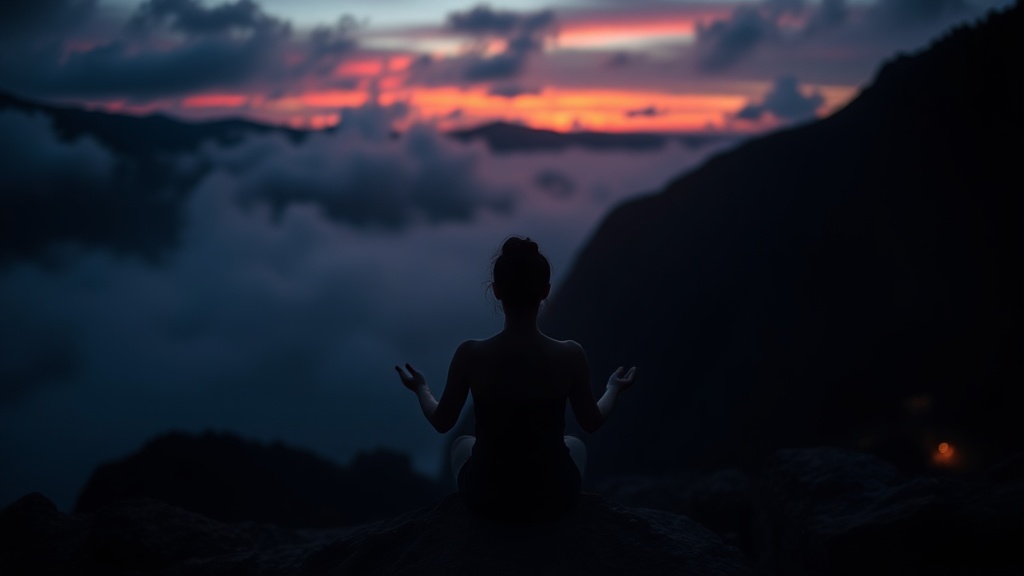
5 Morning Meditation Rituals to Transform Your Entire Day

The 5-Minute Breath Awareness Practice
Body Scan Meditation for Grounding
Gratitude Visualization Technique
Intention-Setting Silent Meditation
Gentle Movement and Breathwork Fusion
What This Post Covers (And Why Morning Meditation Matters)
Morning meditation isn't just a wellness trend—it's a practical tool for reshaping how the entire day unfolds. This guide walks through five distinct morning rituals, each designed to anchor the mind before the chaos begins. No fluff. No spiritual jargon. Just actionable techniques that work in real apartments with real schedules.
The brain is remarkably plastic in those first waking hours. Cortisol levels spike naturally. Decision fatigue hasn't set in yet. That window—roughly 20 to 40 minutes after opening the eyes—offers a rare opportunity to set the neurological tone for everything that follows. Skip it, and the day starts reactive. Use it well, and there's a buffer against stress that lasts until evening.
These five rituals range from breath-focused practices to movement-based meditation. Some take two minutes. Others stretch to twenty. All of them require zero special equipment (though a few optional tools are worth mentioning). The goal isn't perfection—it's consistency.
What's the Best Morning Meditation for Beginners?
The best starting point is breath counting—a deceptively simple technique that builds focus without overwhelming novices.
Here's how it works. Sit upright (a dining chair works fine; no need for a $200 meditation cushion). Close the eyes or maintain a soft gaze. Breathe naturally. Count "one" on the exhale, "two" on the next exhale, up to ten. Then start over. When the mind wanders—and it will—gently return to one. That's the entire practice.
The beauty lies in its constraints. Ten is small enough to feel achievable. The counting gives the mind something concrete to anchor to. Apps like Headspace and Calm offer guided versions, but honestly? The analog version works just as well.
Start with five minutes. Set a timer—Insight Timer has a free version with gentle bells that don't jolt the nervous system. When that feels manageable, add two minutes. Most practitioners find their sweet spot between 10 and 15 minutes.
The research backs this up. A 2021 study from Johns Hopkins found that focused attention meditation (breath counting falls here) reduced anxiety symptoms comparably to medication for many participants. Not bad for something that costs nothing.
Does Movement Count as Morning Meditation?
Absolutely—if done with intention. Walking meditation and gentle yoga sequences can anchor the mind just as effectively as sitting still.
The key distinction? Awareness. Stumbling through a half-awake sun salutation isn't meditation. Moving with deliberate attention to sensation, breath, and alignment is. For beginners, a simple walking practice works wonders:
- Find a straight path—ten to fifteen feet is plenty. A hallway, patio, or even beside the bed works.
- Walk slowly. Feel the heel, arch, and ball of the foot making contact with the floor.
- Synchronize with breath—three steps on the inhale, three on the exhale.
- When the mind drifts, return to the sensations in the feet.
For those who prefer structured guidance, the Down Dog app offers a "Meditation" mode with movement-based practices. The Yoga with Adriene YouTube channel (free) has specific "Morning Yoga" sequences that emphasize mindfulness over fitness.
Tai chi works beautifully here too. The Harvard Medical School has documented its benefits for stress reduction and cognitive function. A fifteen-minute routine in the living room—maybe following a video from the Tai Chi for Health Institute—can serve as both meditation and gentle exercise.
Here's the thing: some bodies resist stillness. That's not a failure. That's information. Honor it.
How Long Should Morning Meditation Actually Take?
The honest answer: less time than most people think. Two minutes of focused practice beats twenty minutes of distracted "sitting."
That said, there's a threshold effect worth understanding. Most neuroscientists agree that 12 minutes appears to be the point where measurable changes in stress markers begin appearing. But that's 12 minutes of actual practice—not 12 minutes of sitting while mentally rehearsing the day's meeting schedule.
| Time Available | Recommended Practice | Best For |
|---|---|---|
| 2-5 minutes | Box breathing or single-point focus | Parents, shift workers, anyone racing to commute |
| 10-15 minutes | Breath counting or body scan | Most practitioners; the sweet spot for benefits |
| 20-30 minutes | Loving-kindness or open awareness | Experienced meditators, weekends, work-from-home days |
| 45+ minutes | Combined practice (movement + sitting) | Retreat days, dedicated practitioners |
The catch? Consistency trumps duration. Ten minutes every morning creates more neural change than an hour once weekly. Think of it like brushing teeth—brief and regular beats occasional and intense.
Worth noting: the Muse headband (a biofeedback device) can help calibrate timing. It tracks brain activity during meditation and provides real-time feedback. At $299, it's not cheap—but for data-oriented minds, it removes the guesswork about whether those twenty minutes were actually productive.
Can Technology Help or Hinder Morning Meditation?
Both—depending on how it's used. The right apps create structure. Notification overload destroys it.
For structured guidance, these tools have proven track records:
- Insight Timer (free/premium): Massive library of guided meditations. The timer function alone—customizable bells and intervals—justifies the download.
- Waking Up ($14.99/month): Sam Harris's app emphasizes understanding the theory behind practice, not just following along.
- Ten Percent Happier ($99/year): Built for skeptics. The teachers are secular, practical, and often funny.
But here's where it gets tricky. Checking Instagram "real quick" before meditating? That dopamine hit rewires the morning in unhelpful directions. The blue light suppresses melatonin (yes, even if you're already awake). The social comparison triggers cortisol. Suddenly that peaceful cushion session feels hollow.
A better approach: use the phone as a tool, not a companion. Set the alarm (ideally a gradual wake-up like the Philips Wake-Up Light, which simulates sunrise). Open the meditation app. Put the phone face-down. No browsing. No email checking. No "just one notification."
Some practitioners go further—using a dedicated meditation device like the Core trainer (a handheld unit with haptic feedback and ECG sensors) or simply going analog with a physical timer and a notebook.
The Journaling Bridge
Speaking of notebooks—morning pages deserve mention here. Julia Cameron's technique (three handwritten pages, stream-of-consciousness, first thing) isn't technically meditation. But it serves a similar function: clearing mental clutter before the day begins.
The combination works beautifully. Ten minutes of seated meditation, followed by five minutes of journaling. The meditation quiets the noise; the journaling captures any insights that surfaced. A simple Leuchtturm1917 notebook and a decent pen (the Pilot G2 0.5mm is reliable) complete the setup.
No need for fancy gratitude journals with prompts. No apps required. Just paper and the willingness to write badly.
What If Mornings Are Chaotic?
Then meditation becomes even more important—and it needs to fit into stolen moments, not dedicated sessions.
The shower offers one opportunity. Treat it as a sensory experience rather than a hygiene task. Feel the water temperature. Notice the sound. Smell the soap (Dr. Bronner's peppermint variety provides an invigorating scent that sharpens awareness). Thirty seconds of genuine presence counts.
Preparing coffee or tea works too. The ritual itself—boiling water, measuring grounds, pouring—can become meditative when approached with full attention. The Japanese tea ceremony isn't elaborate for aesthetic reasons alone; it's a structured meditation.
Commuting? If taking transit, try a standing meditation. Feel contact with the floor through the feet. Notice the sway of the vehicle. Count breaths between stops. If driving, practice mindful driving—complete attention on the road, no podcast, no phone, just the experience of operating the vehicle.
The reality for many in Winnipeg (where winters hit -40°C with wind chill) is that mornings involve scraping windshields and warming cars. Even here—especially here—there's opportunity. Feel the scraper in the hand. Notice the pattern of frost. Observe the breath visible in cold air. These micro-moments add up.
Ritual five is simple: intention setting. Before the feet hit the floor, pause. Ask: "What's one quality I'd like to bring to today?" Patience. Courage. Presence. Just one word. Let it land. Then proceed.
This isn't manifestation woo. It's priming—the same principle athletes use before competition. The brain responds to clear direction. Give it some.