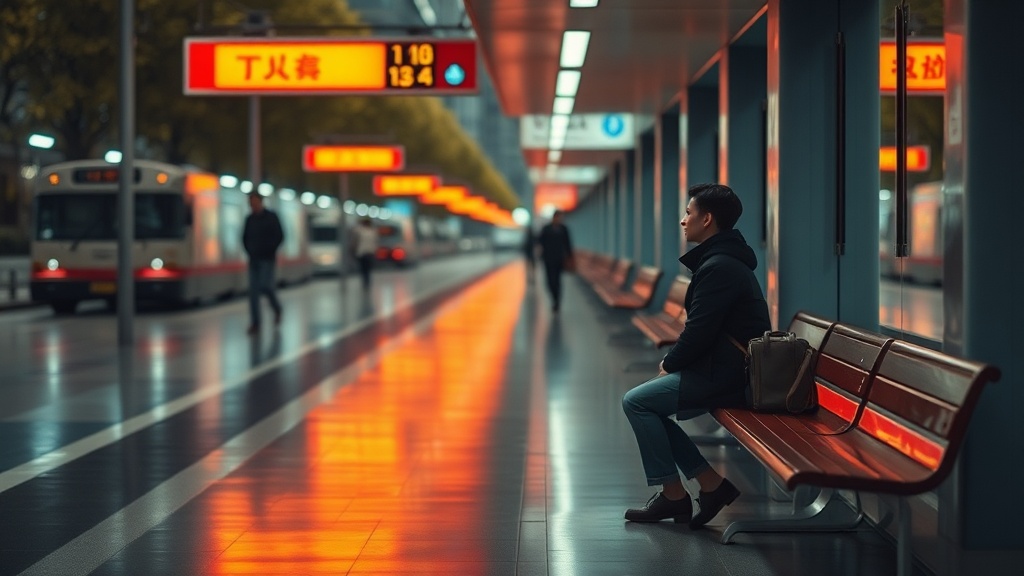
Stillness in the Pause: Making Everyday Waiting an Act of Presence

Research suggests that even brief periods of unavoidable waiting can subtly erode our daily peace, significantly increasing feelings of stress and impatience. This quick guide explores how transforming these mundane moments—whether in line, for a download, or during traffic—into opportunities for mindful practice can shift your perspective, reduce agitation, and cultivate a deeper sense of calm throughout your day. It’s about reclaiming those seemingly lost minutes and infusing them with purpose, making every pause a chance to reconnect.
How can I turn frustration into focus?
Often, our frustration with waiting stems from a feeling of lost control or wasted time. But what if these pauses weren't wasted at all? The first step is acknowledging the feeling without judgment. Instead of immediately reaching for your phone or letting your mind race, simply observe the impulse to react. This simple act of observation creates a tiny, but powerful, space between stimulus and response. It’s in this space that mindfulness begins. Try noticing the physical sensations of impatience—a tightening in the stomach, restless feet—and simply allow them to be there for a moment. This gentle acknowledgment can actually lessen their grip.
What's the simplest way to practice mindful waiting?
The beauty of mindful waiting lies in its simplicity. You don't need special equipment or a quiet room; you just need your attention. When you find yourself in a waiting situation, bring your awareness to your breath. Feel the subtle rise and fall of your chest or abdomen. Don't try to change your breathing, just observe it. If your mind wanders—and it will, that's what minds do—gently guide it back to the breath. You can also engage your senses: really hear the ambient sounds around you without labeling them, notice the colors and textures in your environment, or feel the sensation of your feet on the ground. This anchors you to the present moment, shifting focus from the future (when the waiting will end) to the richness of what's happening now. Learn more about the power of sensory awareness from